
The Palace of Whitehall covered most of the area in London that bears its name.
It lay in the district of Westminster and was originally called York Place.
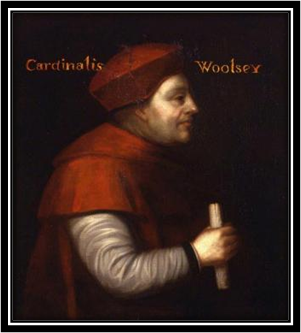
In those days it had belonged to Cardinal Wolsey and it was the official London residence of the Archbishops of York.
But after the Palace of Westminster burned down in 1512, Henry Vlll had no official residence.
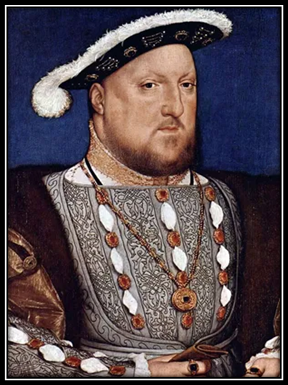
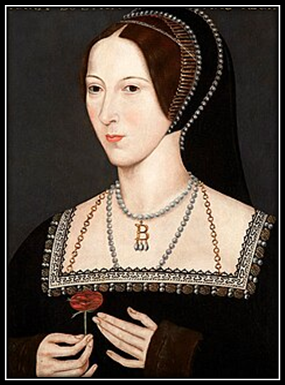
So, when Cardinal Wolsey fell from power in 1529, Henry and Anne Boleyn took a barge down the Thames to visit his palace – and, impressed by its magnificence, decided to use it as the basis for a new palace which they would design themselves
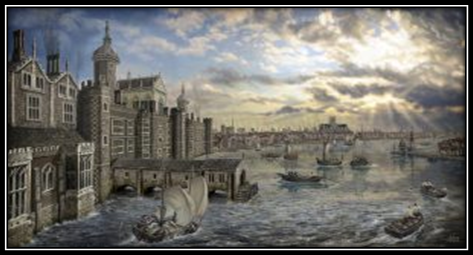
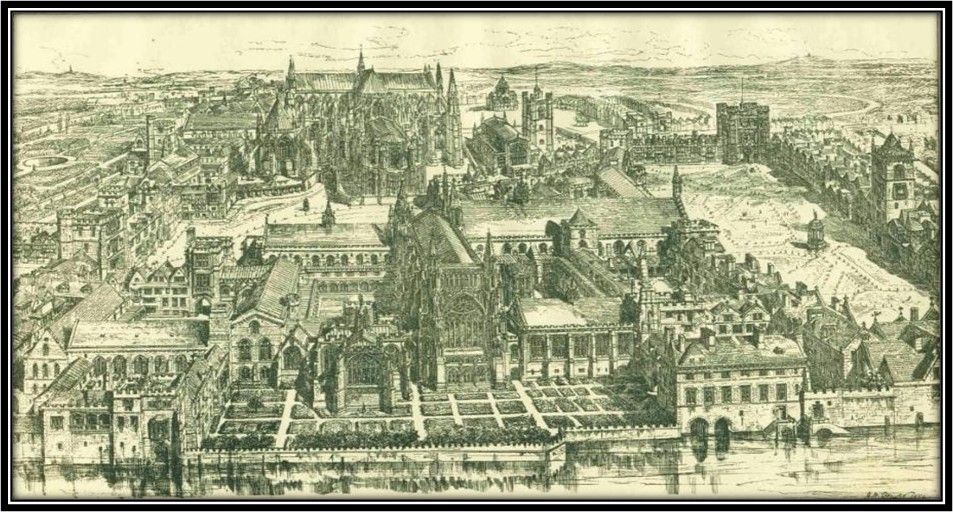
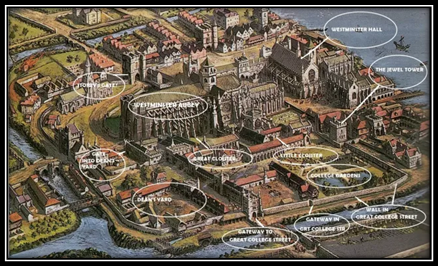
Reconstruction of the Palace and Abbey of Westminster – this is how the area would have looked like at the beginning of the Tudor period.
The new palace was to be built in two sections, on either side of a busy road.
To the west was to be an area for playing tennis and bowls and for watching cock fights.
On the opposite side, would be the residential part of the palace, incorporating Wolsey’s house and centred on a long gallery containing the King’s own rooms and overlooking beautiful gardens.
The two parts were to be linked by a bridge over the road hidden in a gatehouse called the Holbein Gate.
Henry also purchased a huge amount of land to the west of the new palace to form a chain of hunting grounds.
Today, these are Hyde Park, St. James’s Park, Green Park and Regent’s Park.
Until the Henry’s death in 1547, what was to become Whitehall was a permanent building site.
In the end, it was left to Queen Elizabeth I to complete the building that her mother had started fifteen years before.
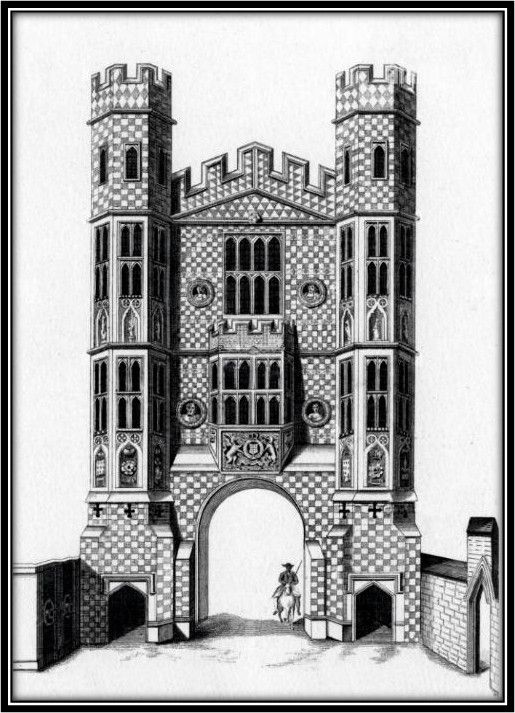
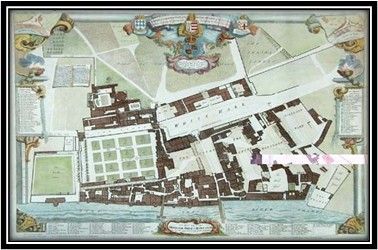
During the 17th century, the Palace of Whitehall was reputedly the largest palace in Europe and covered roughly 33 acres.
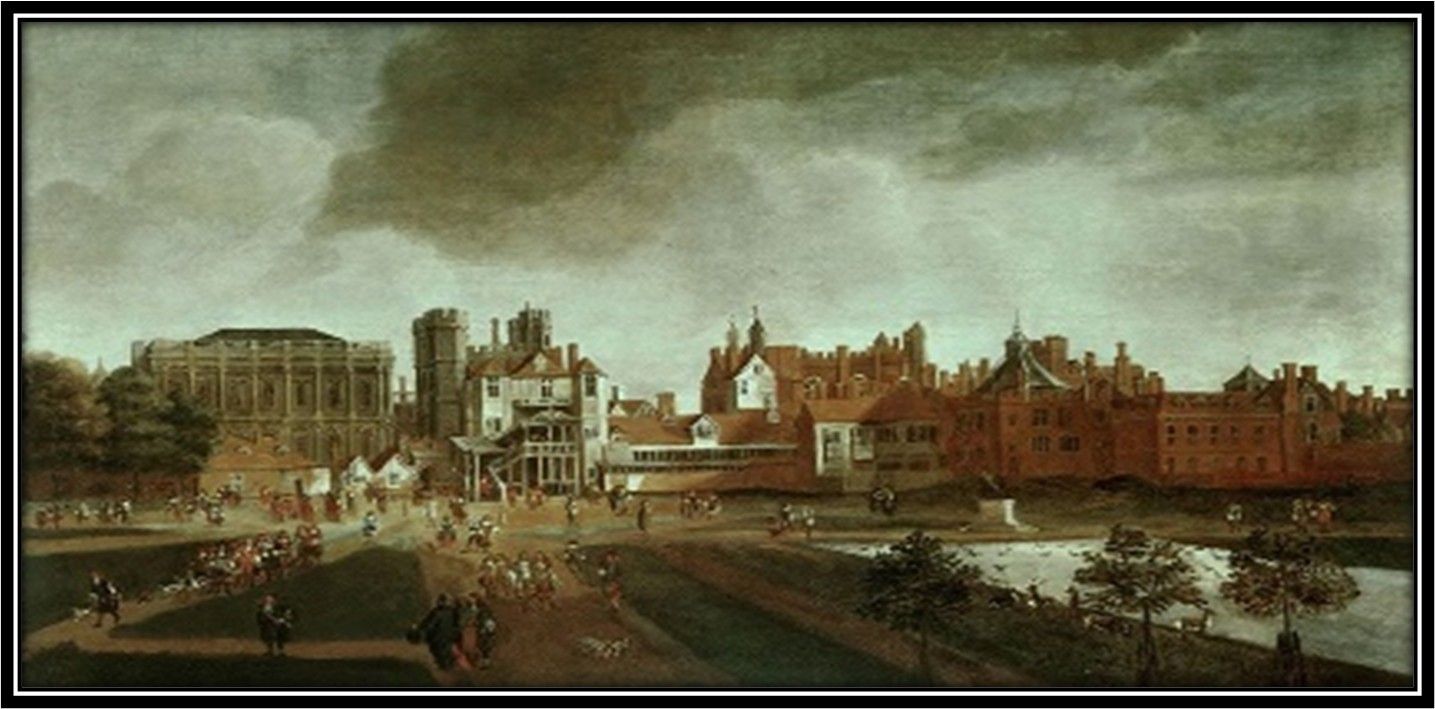
The only significant building to be added to Whitehall before the Civil War was the Banqueting House build in1623, designed by Inigo Jones and possessing a magnificent ceiling painted by Peter Paul Rubens.
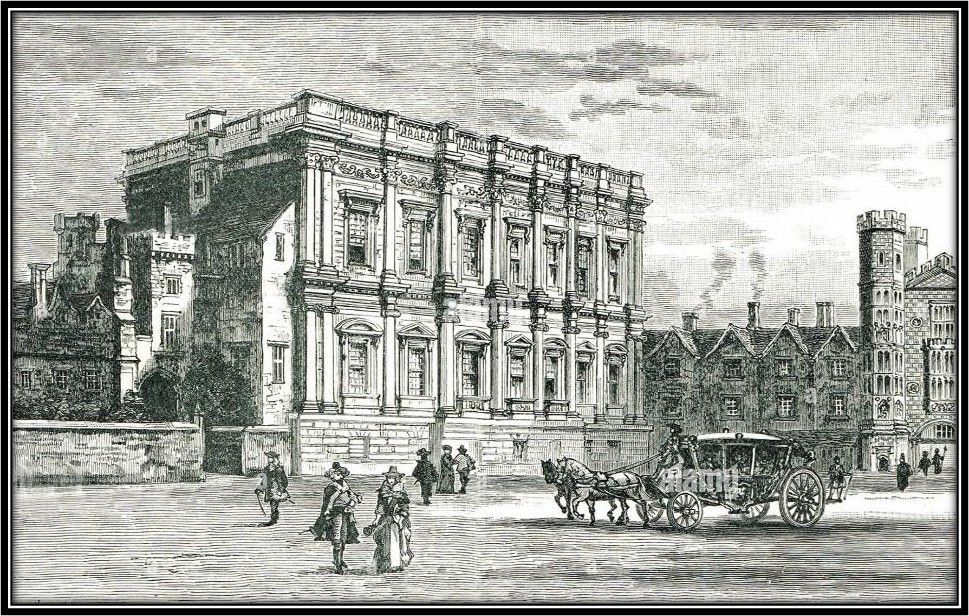
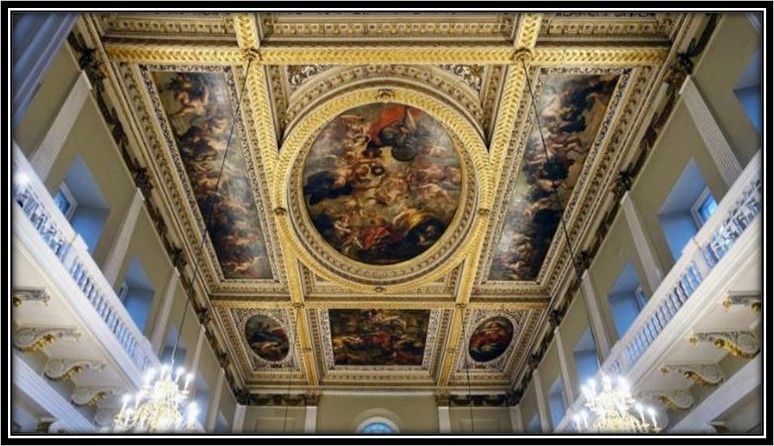
The building was to be the principal reception hall for English kings and was used as such until the Civil War.
Later, it was to be the site of a shocking event.
At 2pm on January 30th, 1649, Charles I was executed there on a platform erected outside a first-floor window which had been removed for the purpose.
(An official there told me that no one is quite sure which window.)
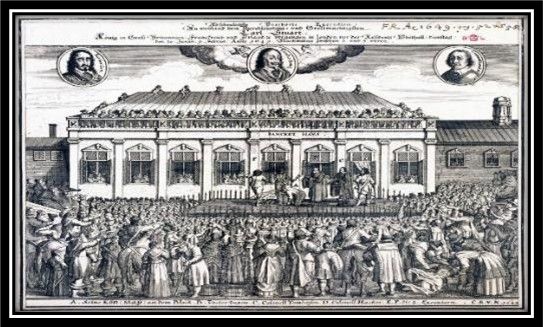
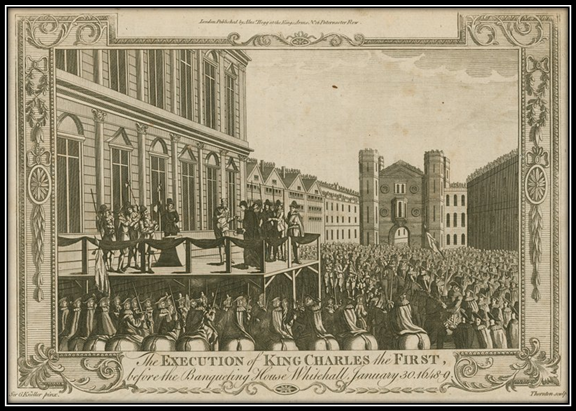
Here’s a brisk, clinical account of the event: -
A huge crowd gathered in bitter weather but they were kept so far back that the King's final words went largely unheard.
The scaffold was draped with black cloth. And in the centre of the blackened and sanded floor stood the axe and a lower quartering block of a kind used to dismember traitors.
Two men, heavily disguised with masks, stood ready to perform the act.
The King, his hair bound in a white nightcap, took off his cloak and told the executioner that he would say a short prayer before giving a signal that he was ready.
After a little pause, he stretched out his hand; the axe fell and the executioner severed his head in one clean blow.
One witness said, 'There was such a groan by the thousands then present as I never heard before and desire I may never hear again’.
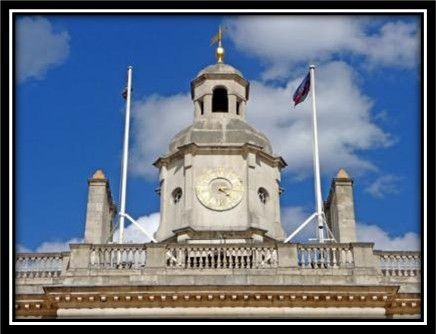
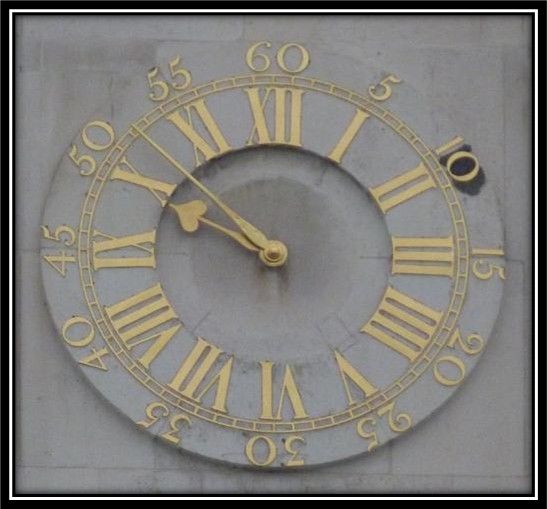
To this day, the clock overlooking Horse Guards’ Parade marks the time of the execution with a black mark against the two.
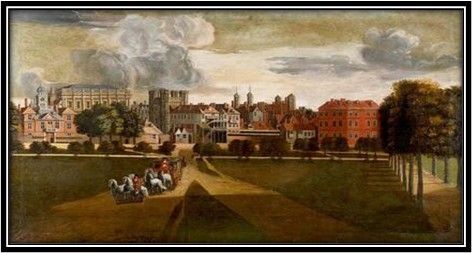
When Charles ll was restored to the throne in 1660, the Palace of Whitehall was a hotch-potch of architectural styles and looked more like a sprawling village than a royal residence.
Charles decided to rebuild.
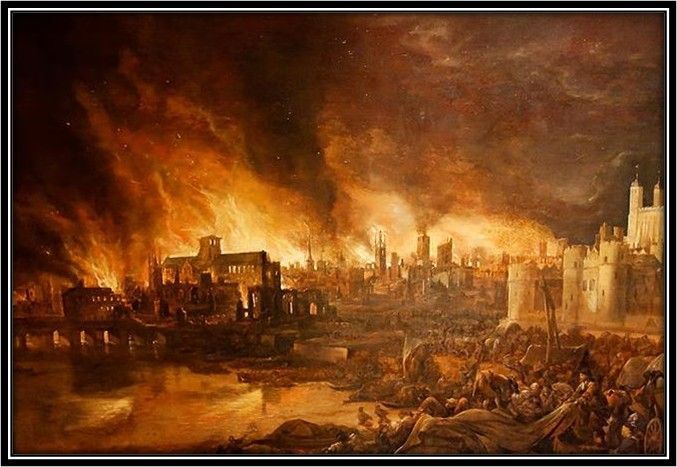
But in 1666 came the Great Fire of London and a rash of very necessary rebuilding – a task given to Sir Christopher Wren.
Financial pressures meant that it is unlikely Wren even began to design the new palace.
Charles died in 1685. His brother, James II, came to the throne and immediately had new apartments built for the Queen and a Catholic chapel beside the Holbein Gate.
However, because of his religion he was deposed in the Glorious Revolution of 1688 and replaced by his daughter Mary II and her Dutch husband, James's nephew William III of Orange.
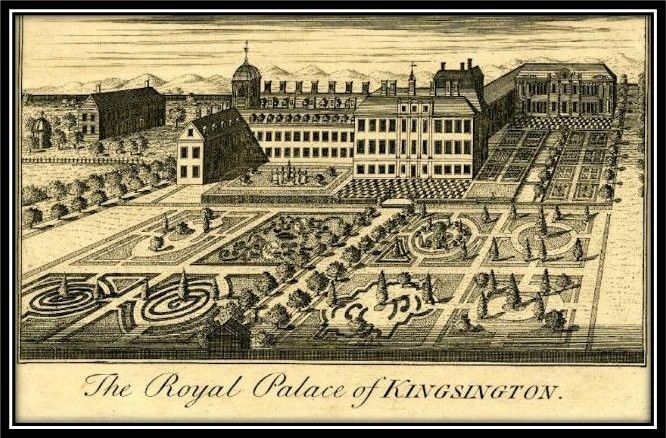
William and Mary didn’t like Whitehall so they had Sir Christopher Wren build a new house for them at Kensington – now Kensington Palace.
And, as luck would have it, disaster struck at Whitehall on January 4th, 1698.
A palace servant put wet linens to dry around a brazier; they caught fire and the blaze spread rapidly.
Informed that saving the entire palace would be impossible, King William ordered the main fire-fighting efforts be directed towards the Banqueting House.
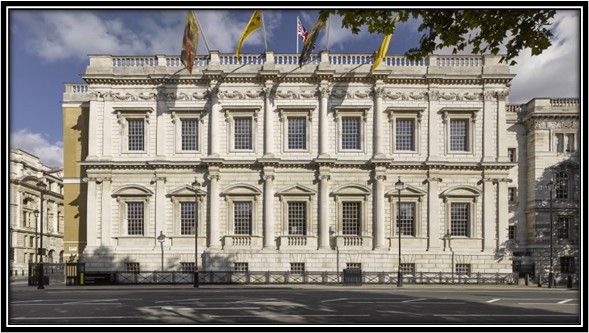
And this, of course, is why the Banqueting House is the only surviving part of the Palace of Whitehall … and still there for us to visit today.