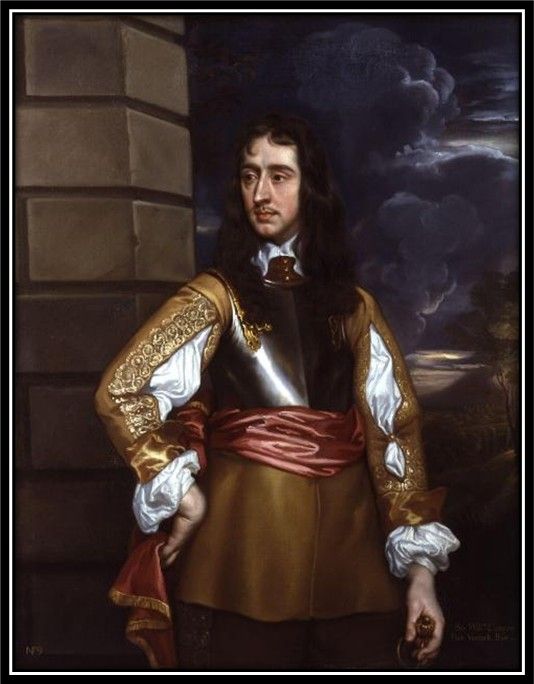
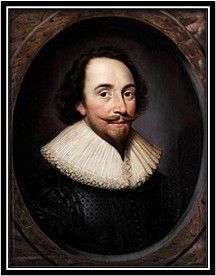
William was the third son of Spencer Compton, the 2nd Earl of Northampton.
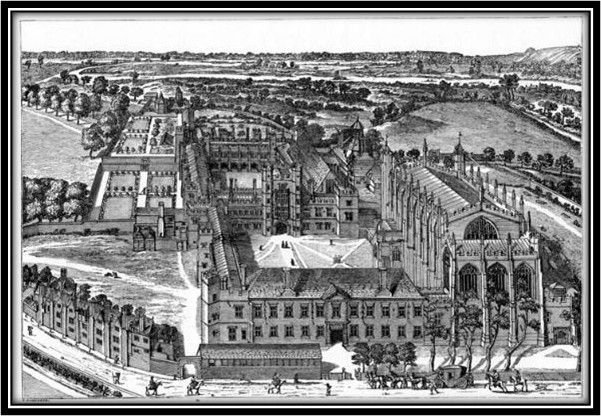
He attended Eton between 1634 and 1636 and presumably went from there to either Oxford or Cambridge – though I haven’t been able to establish which.
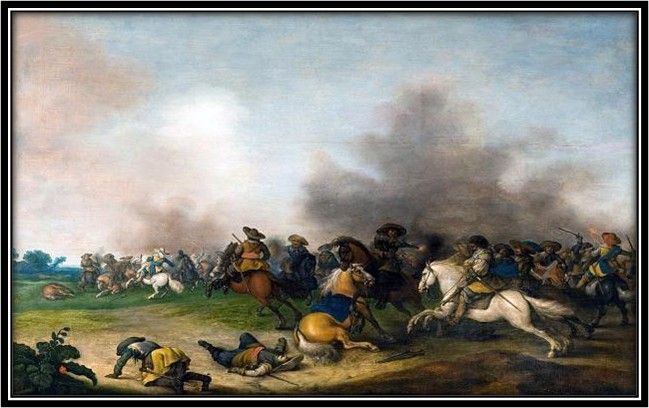
When the Civil War broke out, William was just seventeen years old but he fought with his father’s regiment at Edgehill and, when Banbury Castle fell to the Cavaliers four days later, Major Sir William Compton – assisted by Lieutenant-Colonel Anthony Greene – became the Castle’s titular Governor.
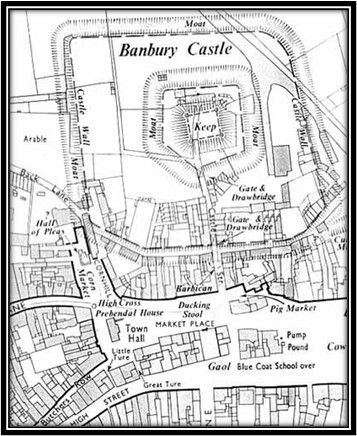
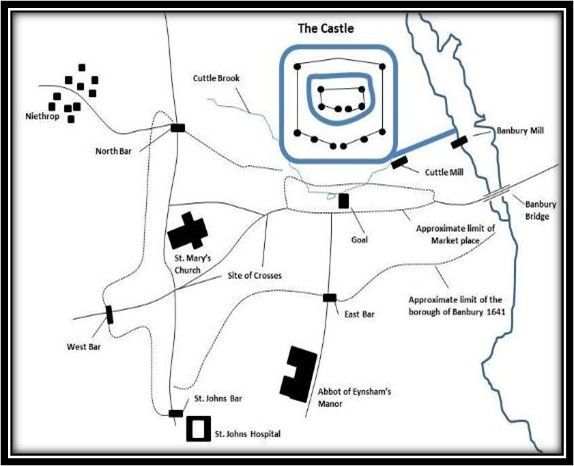
He also assembled a regiment of Foot under his father’s name … and, in a sense, they still exist today.
Go to any Civil War battle re-enactment and you’re likely to find Lord Northampton’s green-jackets have set up camp.
I won’t go too deeply into Will’s time at Banbury.
A large part of the garrison’s job was to keep Oxford supplied by raiding enemy convoys which made it a particular thorn in Parliament’s side and, even then, the town was a by-word for Puritanism.
But until the summer of 1644, life in the Castle remained fairly quiet; mundane … possibly even tedious.
And then the Parliament’s first serious attempt to re-possess it changed all that.
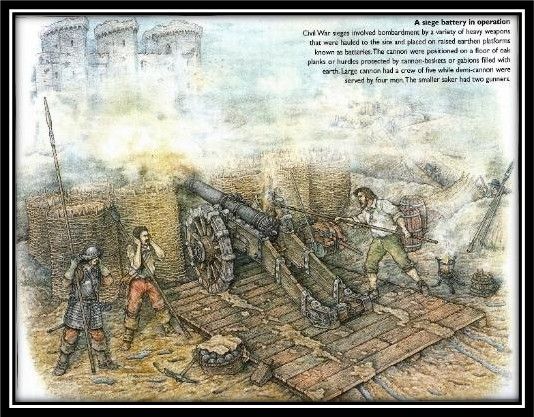
The Great Siege of Banbury Castle lasted for fourteen weeks while 3,500 Parliamentarians threw everything they’d got against the 320 strong garrison.
By the time the King sent help, the Cavaliers had neither powder, shot nor food and had eaten all but two of the horses.
Listen or read the full story of this and what happened afterwards in:
After Lieutenant-Colonel Greene died of influenza in December ’44, William was raised to the rank of Colonel and got full Governorship of the Castle.
He was nineteen.
So what was this rather remarkable young man really like?
Plainly, he had physical determination and courage; equally plainly, he possessed sufficient intelligence and authority to make men follow him despite his youth; and, in addition, he seems to have enforced a code of behaviour born of basic Anglican piety on the garrison – doubtless no easy task.
But there is one particular incident which speaks of a passion for fairness … and that was his reaction to the attempt of his elder brother, James Compton [by then the 3rd Earl] to cashier Captain Tyrwhitt in 1645.
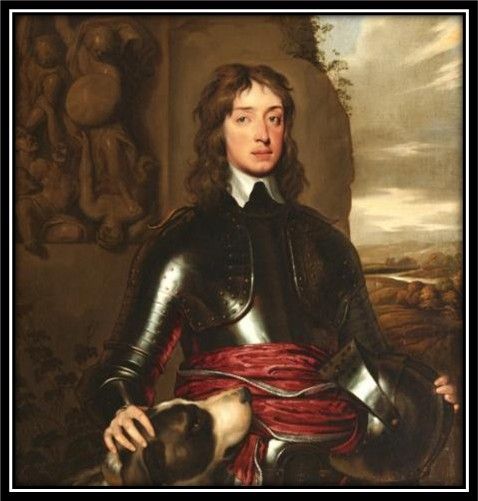
William took up the cudgels in Tyrwhitt’s defence, defying his brother and stating that no officer of his would be cashiered in his absence for an unproven offence.
He didn’t win – but he used every weapon at his disposal trying.
The Castle was besieged again in January of 1646 – this time by Colonel Whalley – and the Cavaliers held out until the King’s surrender made their own inevitable.
William seems to have spent a large part of the next two years travelling abroad … probably in France and the Low Countries, perhaps even fighting in the Thirty Years War.
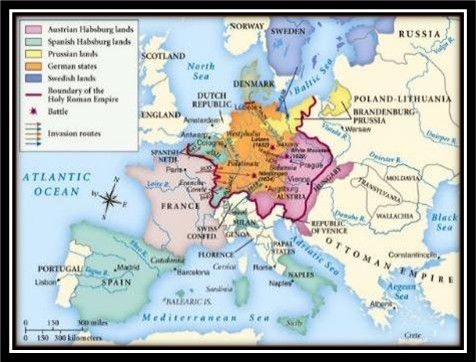
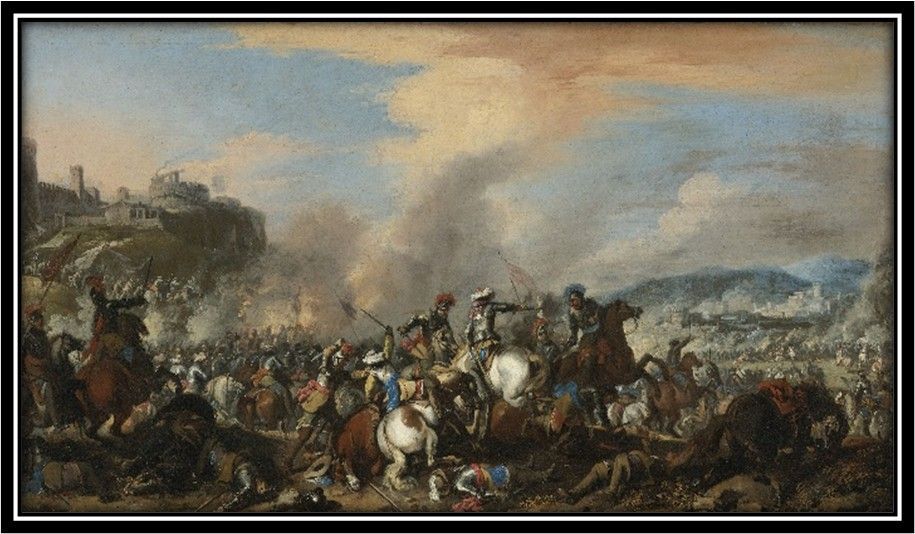
He doesn’t re-emerge until 1648, when we hear of him settling on the estate in Kent granted to him by his grandfather.
If you want to meet him again, he returns in:
As a Kentish land-owner, William automatically became involved in the risings that were part of the second Civil War.
Now a Major-General, he fought at Maidstone and was an officer in Lord Norwich’s small, ill-fated army on the miserable journey [dogged every step of the way by Colonel Whalley] that eventually meandered its way to Colchester.
After Banbury, William must have hoped never to find himself in a siege situation again … but to his superior officers (Sir Charles Lucas and Sir George Lisle) his siege experience must have been invaluable
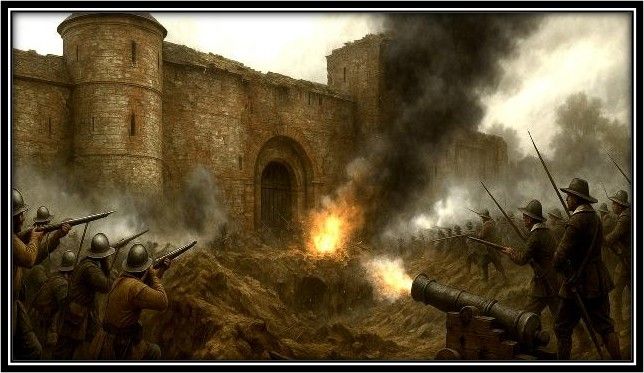
Colchester held out from July 2nd to August 24th before surrendering to Sir Thomas Fairfax.
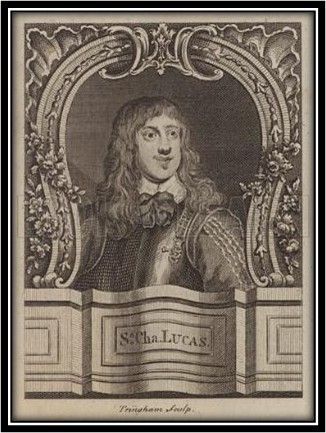
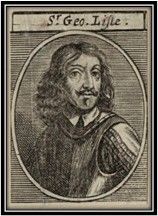
Despite having surrendered, Lucas and Lisle were put against a wall and shot – a disgraceful and unnecessary footnote to the siege.
Sir William was imprisoned in the Tower of London before finally being released.
In 1651, he married Elizabeth Tollemache and settled down in Cambridgeshire.
He doesn’t appear to have taken part in the Worcester campaign but he hadn’t retired from Royalist activities either.
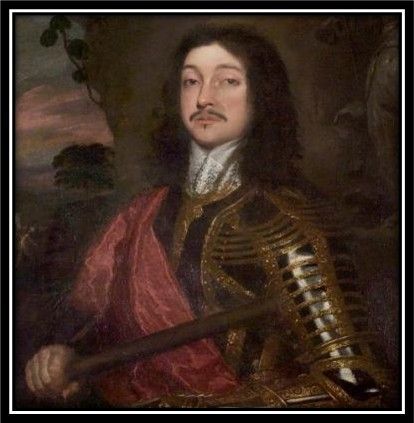
During 1652, he joined five other erstwhile Cavalier gentlemen in forming a secret society whose sole aim was the restoration of Charles II. John Belasyse, 1st Baron Belasyse, Henry Hastings, 1st Baron Loughborough, Col. John Russell, Col. Sir Edward Villiers and Sir Richard Willis.
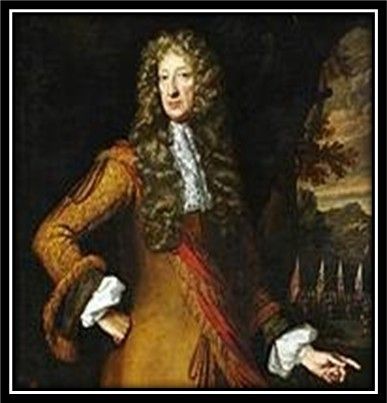
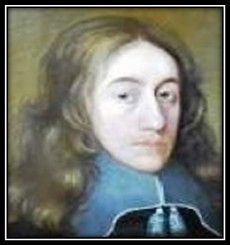
.This clandestine group called themselves the Sealed Knot and, over the next seven years, made at least eight unsuccessful attempts to restore the king to the throne.
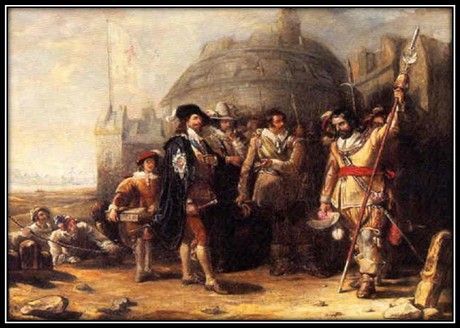
But, as time passed, four of Will’s co-conspirators concluded that fellow-member, Sir Richard Willys, had become a double-agent and was betraying them.
Once again, William refused to accept a man’s guilt without solid evidence – and he was excluded from the Knot as a result.
But in 1660, Sir William sailed with Edward Montague – soon to become the Earl of Sandwich - to Holland to escort King Charles II back from exile.
He became an active member of the first two Cavalier Parliaments, serving on various committees and, we are told, often providing the voice of reason.
Sadly, he died at his home in Drury Lane after a short and apparently sudden illness on October 18th, 1663.
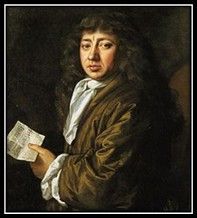
He was thirty-eight years old. Samuel Pepys wrote of Sir William that:
‘All of the world was saying he was one of the worthiest men and best officers of state in England’
and also added that:
‘No man ever spoke ill of him.'
Samuel Pepys
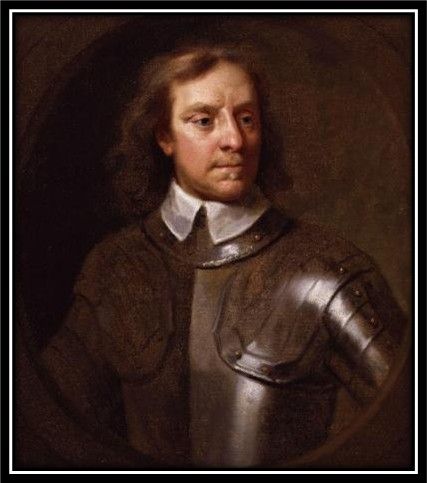
But who christened him 'The Godly Cavalier'?
It was Oliver Cromwell.