
Welcome to January Newsletter 2026
Last month brought some brilliant news, a double celebration - 2 Awards in one day!
was honoured with
The Millennium Book Award 2025 at Book Viral
“The Best Georgian Romance Novel”
&
was honoured with
Gold Award at Yarde Promotions in
“Early Modern History"


And for January’s trivia … “The Legend of Claude Duval”
Claude Duval (or Du Vall) was born in Normandy in 1643 to a noble but impoverished French family.
When he was 14, he went to Paris where he worked first as a domestic servant and later as a stable boy for a group of exiled English Royalists.
This led to a position as footman to the Duke of Richmond … which, in turn, brought him to England along with the returning Royalists when Charles the Second was restored to the throne in 1660.
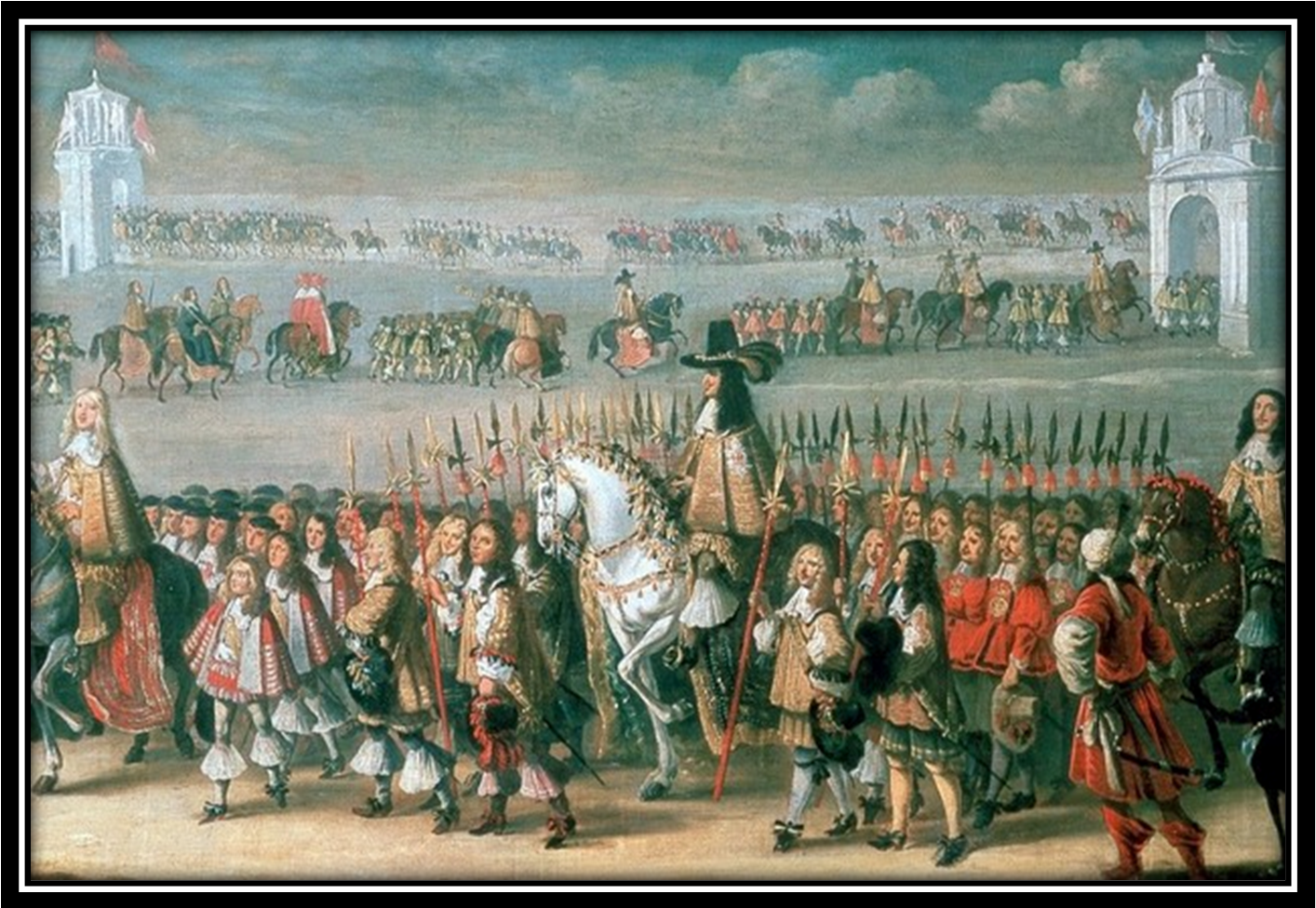
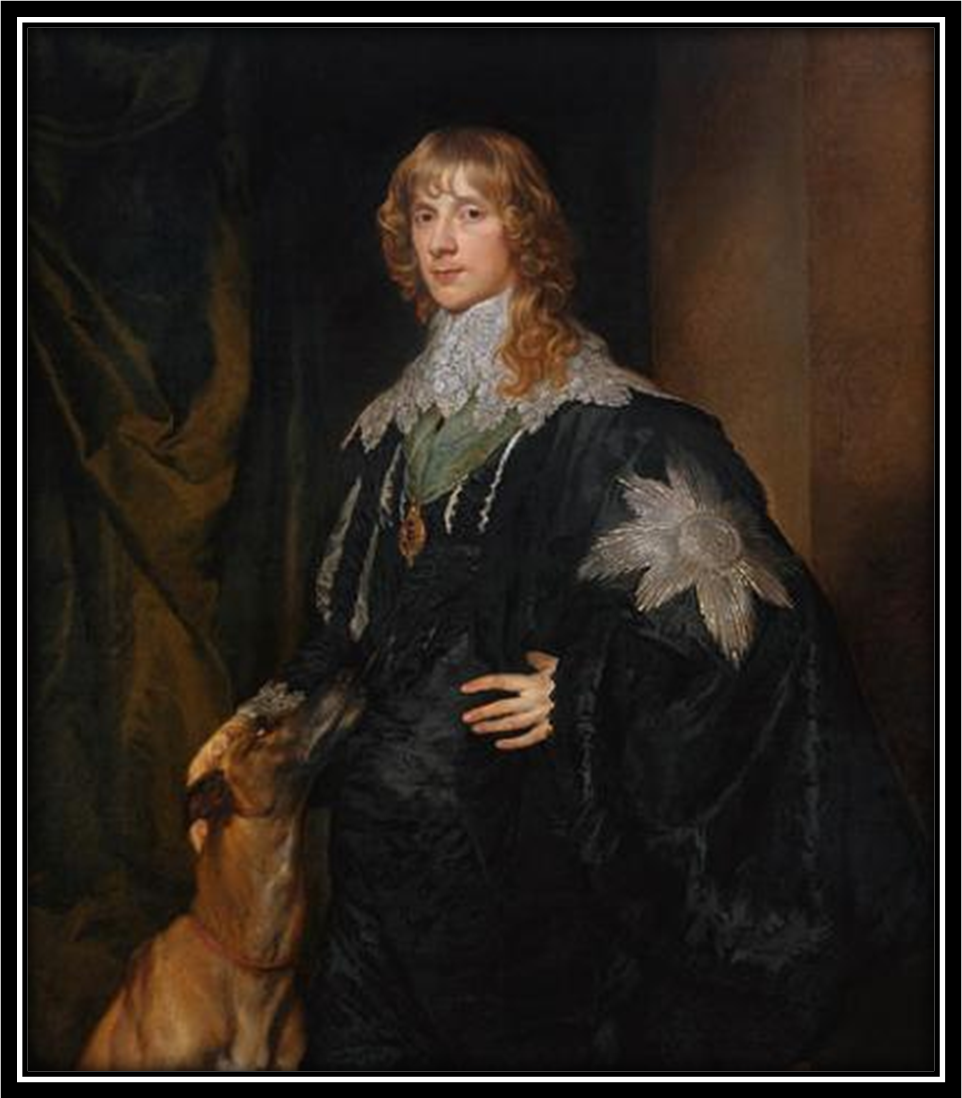
For the next decade, most of what we know about Claude is legend rather than fact.
But here’s what we think we know:
Duval quickly became a successful highwayman who robbed coaches on the roads into London, especially the area Highgate and Islington.

Unlike others in his profession, he became famous for his gentlemanly behaviour and fashionable clothes.
He reputedly abhorred violence, was courteous to his victims and chivalrous to their ladies – thus creating the enduring myth in novels, stage and screen of the romantic highwayman.
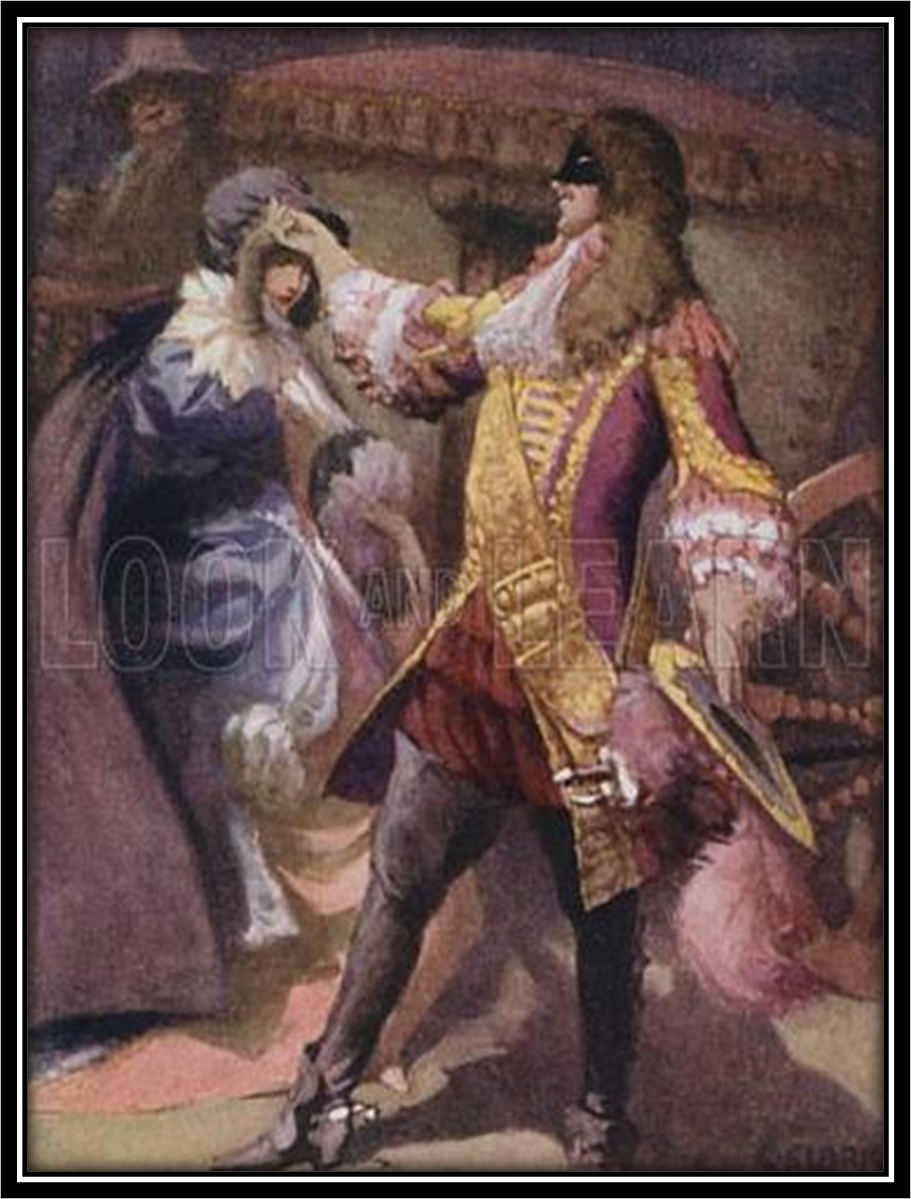
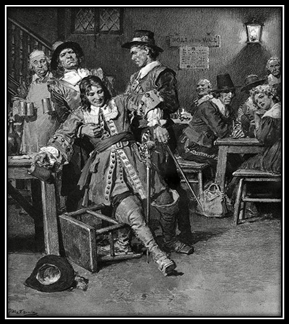
The best-known story about him claims that, on one celebrated occasion, he took only half of a gentleman’s money, when the man's wife agreed to dance a courante with him by the side of the road.
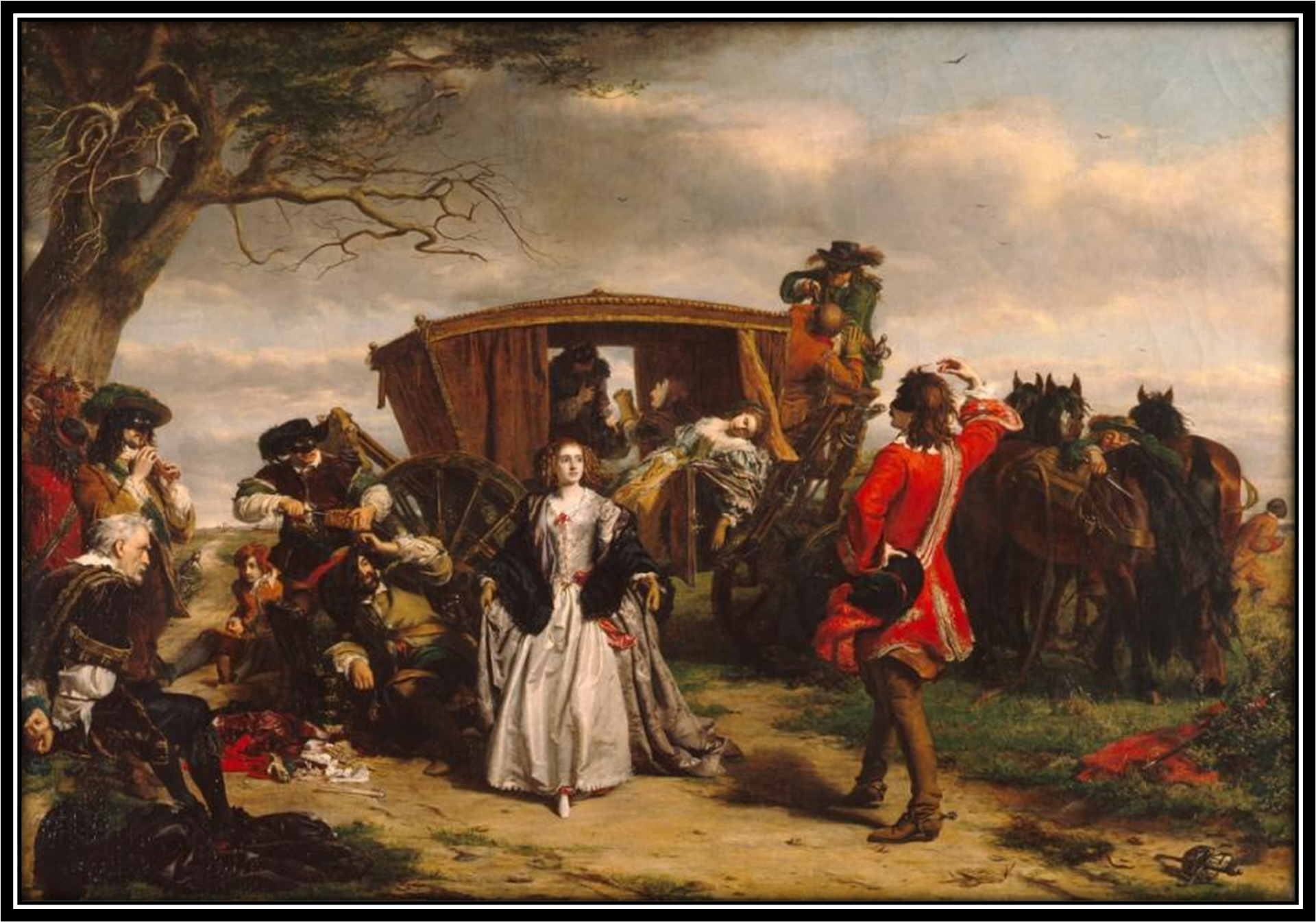

I used it as the cover for The Player because, roughly a century later, Adrian, Lord Sarre recreates the scene with Caroline Maitland.
If Claude hoped that his polite style of highway robbery would make the authorities less keen to catch him, he was disappointed.
A large reward was offered for his capture, causing him to flee back to France for a few months.
Shortly after his return, legend says he was arrested in the Hole-in-the-Wall tavern in Chandos Street, Covent Garden where he’d been rather foolishly carousing with untrustworthy so-called friends – one of whom sold him out.
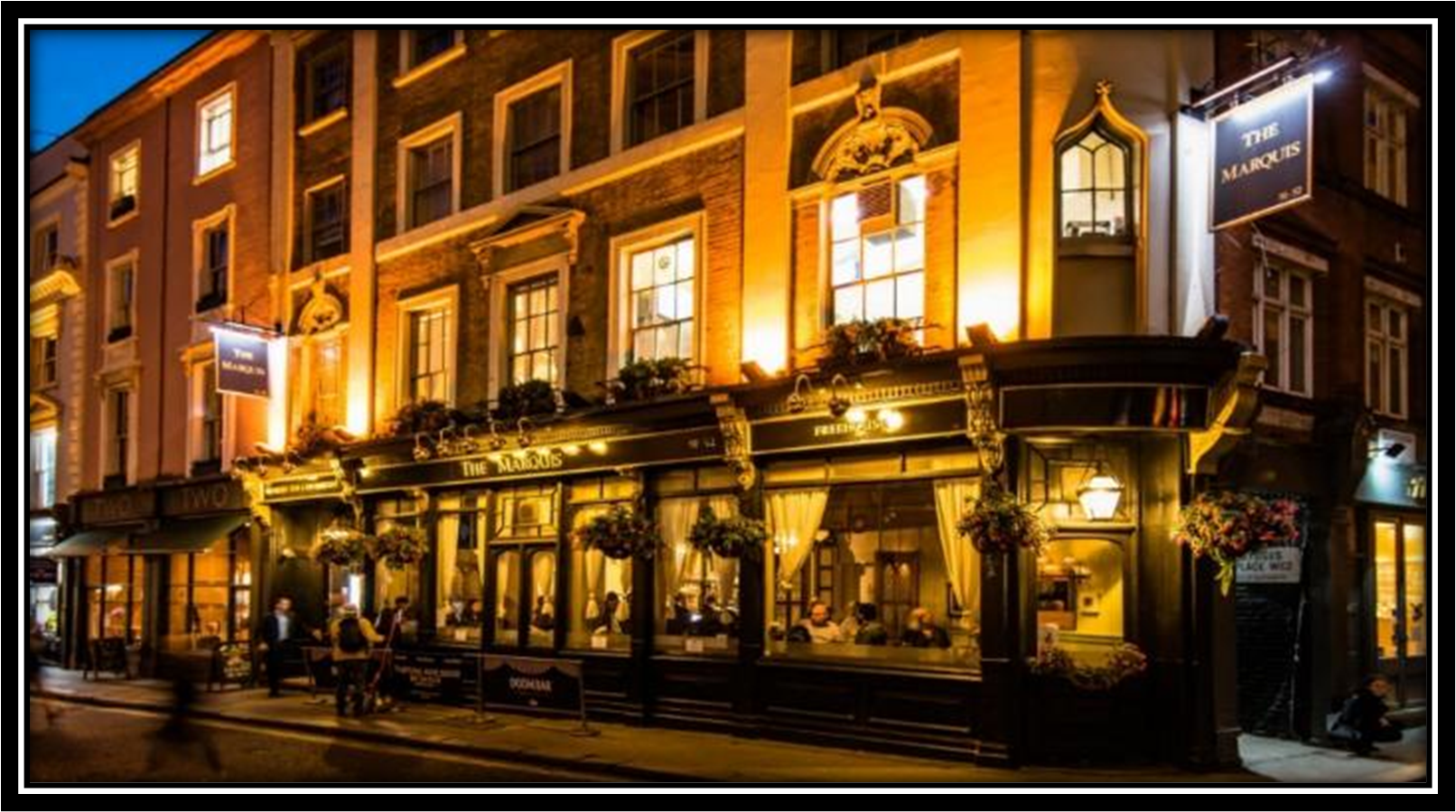
(For anyone interested in visiting, the site of the Hole-in-the-Wall is now occupied by The Marquis pub.)
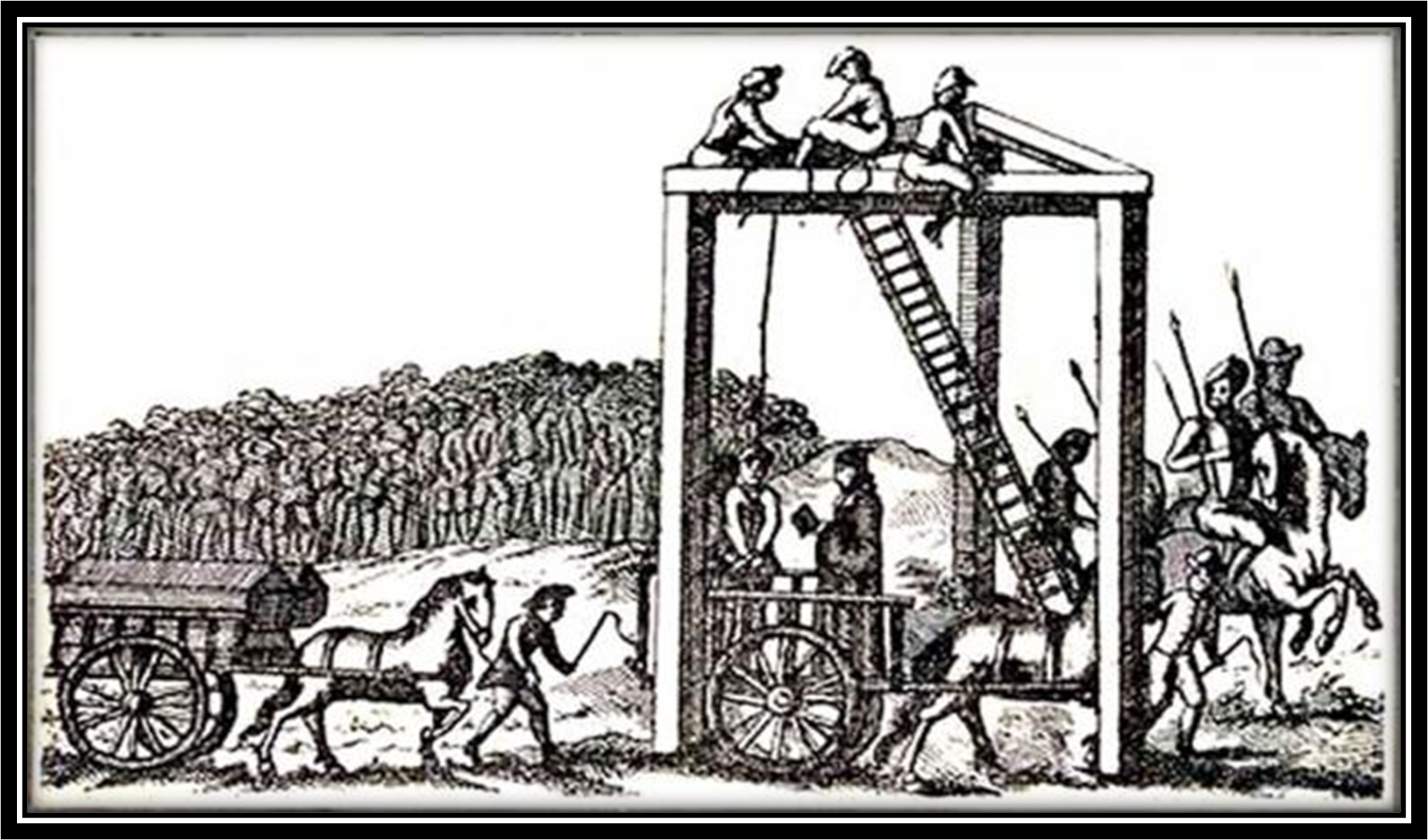
On 17 January 1670, judge Sir William Morton found him guilty of the six robberies that could be proved and sentenced him to death.
Attempts were made (mostly by ladies!) to win him a King’s pardon but Charles the Second refused to give it.
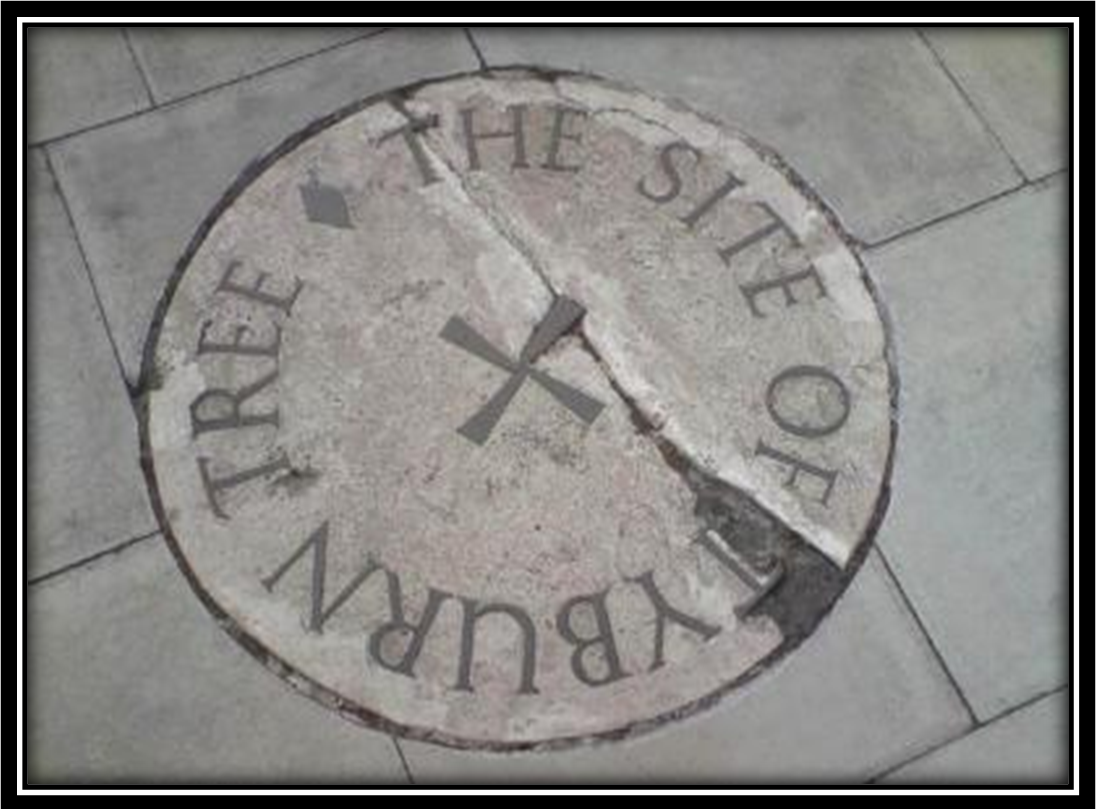
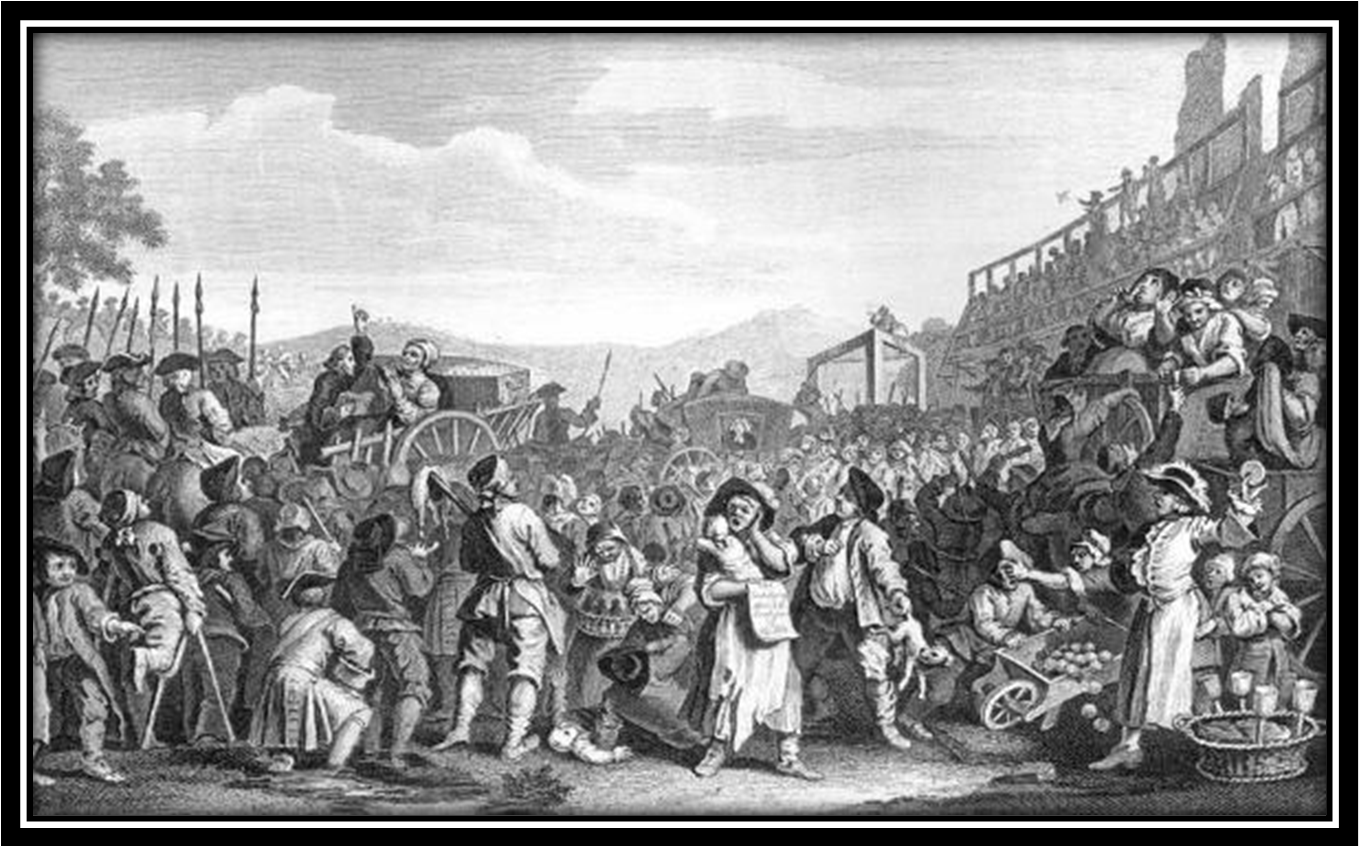
Claude was executed on January 21st at Tyburn.
When his body was cut down and exhibited in the Tangier Tavern, it drew a large crowd.
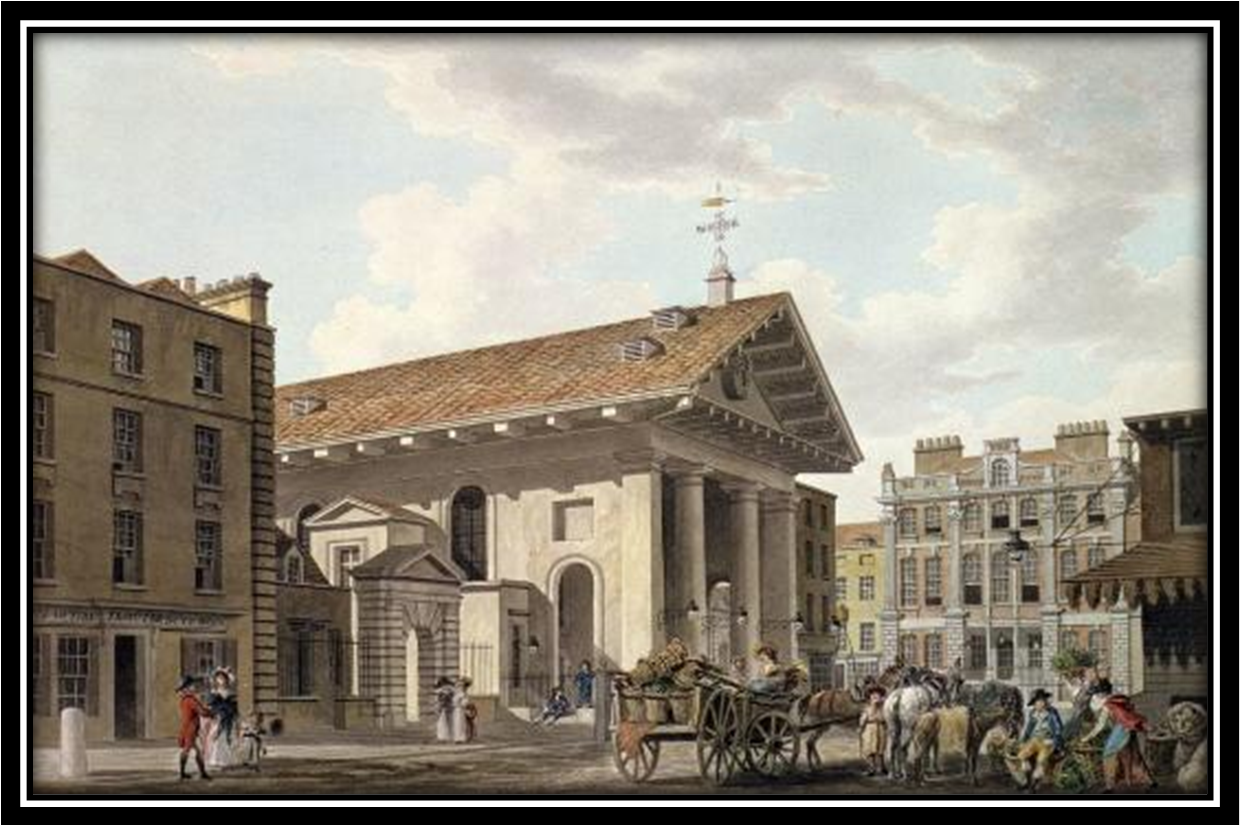
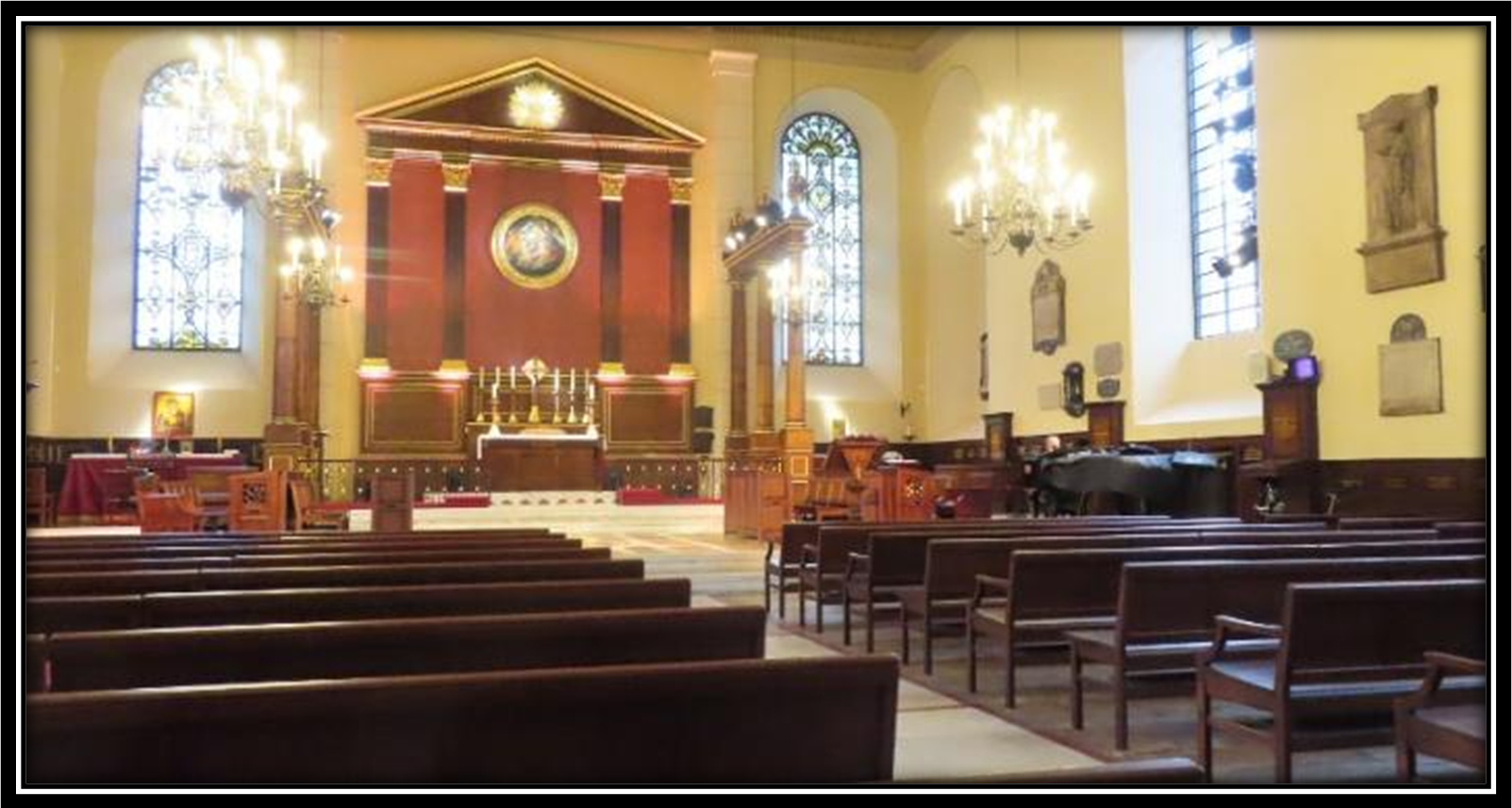
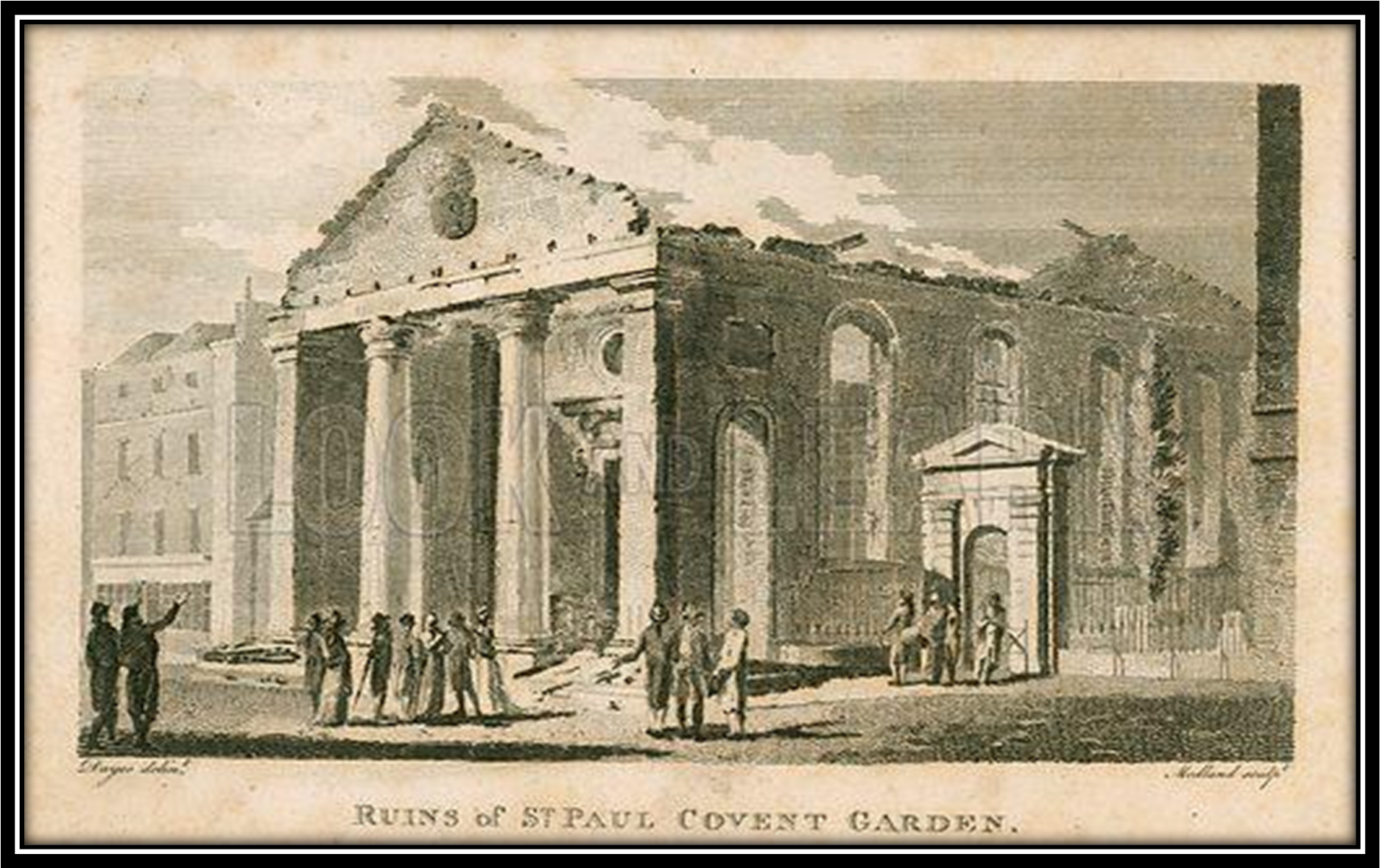
Below is St Paul’s (usually known as the Actor’s Church) after the fire …
Tradition says that he was buried under the centre aisle of St Paul’s Church, Covent Garden – probably because one Peter Duval was interred there in January of 1670.
That man may or may not have been Claude.
The church was devastated by fire in 1795 and one of the wardens told me that the floor of the nave collapsed into the crypt – thus obliterating Claude’s grave, if it was ever there at all.
And finally … the legend
Here lies Duvall; Reader, if Male thou art
Look to thy purse – if Female, to thy heart.
Much havoc has he made of both; for all
Men he made to stand and Women he made to fall.
The second Conqueror of the Norman race
Knights to his arms did yield and Ladies to his face.
Old Tyburn’s glory; England’s illustrious thief
Duvall, the Ladies’ joy
Duvall, the Ladies’ grief.